Drilled
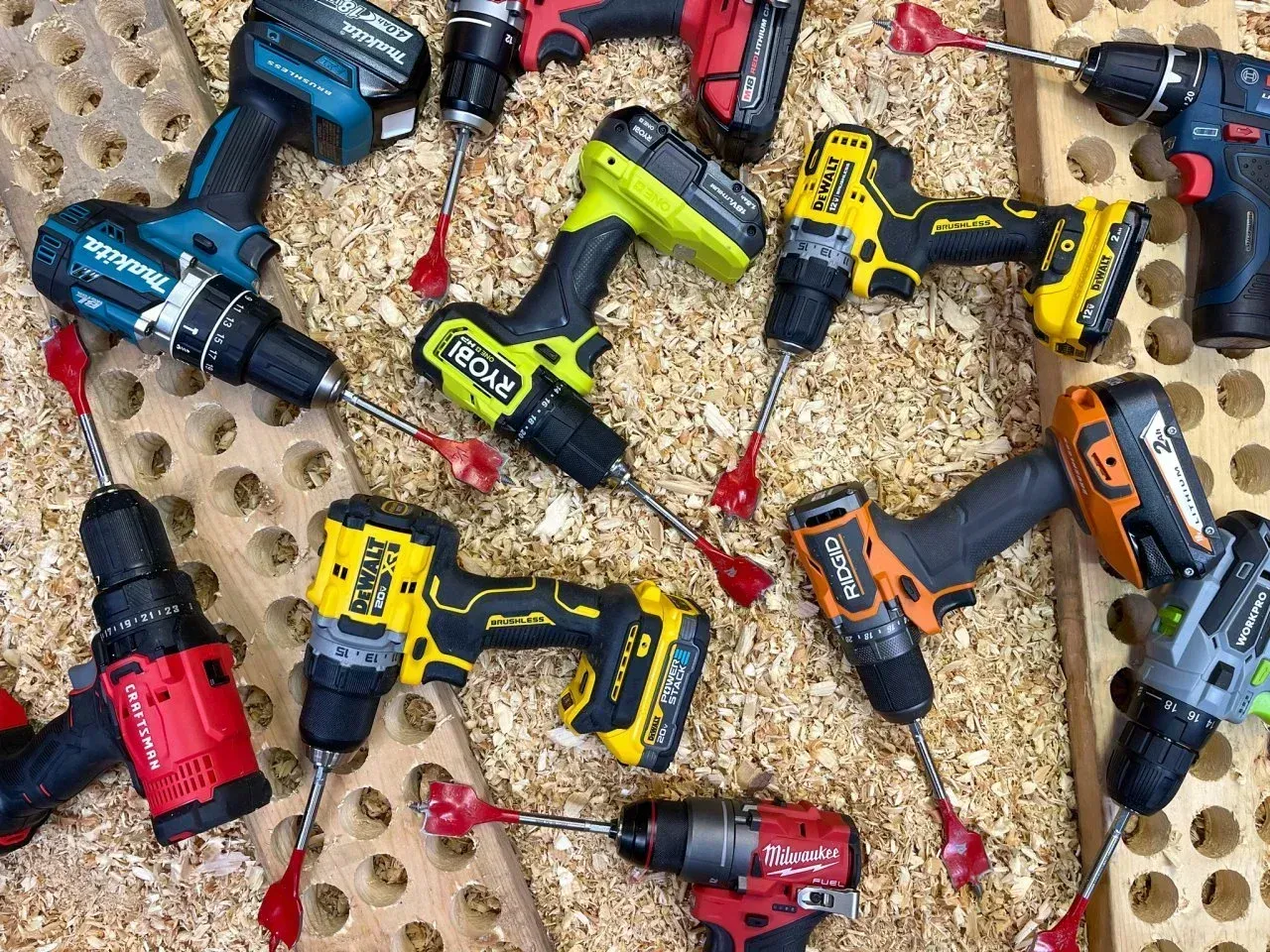
Not All Drills Are Created Equal: Choosing the Right Tool for the Job
Ever tried to drive a long screw into wood and felt your drill just wasn't cutting it? 😩 Or maybe you tried to drill into concrete and barely made a dent? 🧱 The problem isn't you, it's often the **wrong tool** for the job! 😱
Most people think of a "drill" as just one thing, but in our world of construction and maintenance, there are specialized drills for every task! Knowing which one to grab means the difference between a quick, successful job and a frustrating, time-consuming one. ⏱️
Here’s your ultimate guide to drill types and what they're best for! 👇
1. The Drill/Driver (The Workhorse 🐎)
This is the most common power tool in any toolbox! It’s the OG drill everyone knows.
- How it Works: Spins super fast to drill holes in wood, plastic, or metal, and drives screws with adjustable power (torque) so you don't strip them. 💪
- Best For: Everyday tasks! Think assembling furniture 🛋️, drilling pilot holes, driving screws, and general DIY projects. 🏡
- Not For: Super long screws into tough wood, or drilling into rock-hard stuff like concrete. 🚫
2. The Impact Driver (The Powerhouse!💥)
Looks like a compact drill, but this bad boy is built for serious power and speed!
- How it Works: It not only spins but also delivers rapid, powerful **"impacts"** as it turns. This high-torque, "hammering" action drives screws and bolts with incredible force! 🚀
- Best For: Driving *long* screws into dense materials (like deck boards 🪵), tightening lag bolts, and other heavy-duty fastening. It stops screws from slipping!
- Not For: Drilling clean, precise holes. The high torque is too much for delicate work and can snap smaller bits. 🤏
3. The Hammer Drill (The Concrete Crusher! 🔨)
If an impact driver is for tough screws, a hammer drill is for tough holes!
- How it Works: Has two modes: normal rotation AND a powerful, forward-and-back hammering motion. This chipping action, plus the spin, pulverizes concrete, brick, and stone! 🤯
- Best For: Drilling holes into masonry, concrete walls, brick, or stone. Your go-to for mounting shelves on a brick wall or anchoring something into concrete. 🏗️
- Not For: Wood, drywall, or metal. The hammering will just mess up softer materials and can be dangerous! 🚧
4. The Right-Angle Drill (The Contortionist! 🧘)
When you need to drill or drive a screw in a super-tight spot where a normal drill won't fit, this drill saves the day!
- How it Works: The chuck (where the bit goes) is at a 90-degree angle to the drill body. This lets it squeeze into awkward, cramped spaces.
- Best For: Plumbing and electrical work! 🔌💧 Drilling holes through joists in attics, between studs, or inside cabinets. Perfect for running wires or pipes where space is limited.
- Not For: Open-area jobs. It’s a specialty tool for those tricky situations! 🤔
Corded vs. Cordless: Power 💪 vs. Portability 🎒
Once you've picked the *type* of drill, there's another big choice: plug it in or go wireless? It’s a classic trade-off!
Cordless Drills (Freedom! 🕊️)
Most modern drills are cordless, thanks to amazing lithium-ion batteries.
- Pros: HUGE advantage in portability! Take it anywhere—up a ladder 🪜, in an attic, or across the yard—no hunting for outlets or tripping on cords! ✨
- Cons: Limited by battery life. 🔋 For really long, continuous jobs, you'll need extra batteries or a charger handy. The battery also adds some weight. 💪
Corded Drills (Uninterrupted Power!⚡)
These drills plug directly into a power outlet for a constant flow of juice!
- Pros: Consistent, unlimited power! Ideal for high-demand tasks like mixing cement 搅拌 or drilling hundreds of holes non-stop. Often lighter since there's no heavy battery. lighter!
- Cons: You're tethered to an outlet, which can be annoying and a trip hazard. Not great for quick jobs or places without power. 🔌
In a Nutshell 🧐
Drill Type | Best Use | Key Feature |
- | Drill/Driver | All-purpose drilling & driving screws 🔩 | Versatile & user-friendly |
- | Impact Driver | Driving long screws & bolts with force 🔨 | High torque with powerful impacts |
- | Hammer Drill | Drilling into concrete, brick, & stone 🧱 | Forward hammering motion for masonry |
- | Right-Angle Drill | Drilling in tight, awkward spaces 🤏 | 90-degree chuck for confined areas |
- | Cordless | Anywhere, anytime! 🏞️ | Ultimate portability (battery-powered) |
- | Corded | Heavy-duty, continuous power! ⚡ | Consistent power (plugged in) |
Choosing the right tool is key to working smarter, not harder! Next time you tackle a project, think about your material and task. If it seems too tough, or you're just not sure, give us a call! We're always here to help you nail it! 🎯
Blessings!